
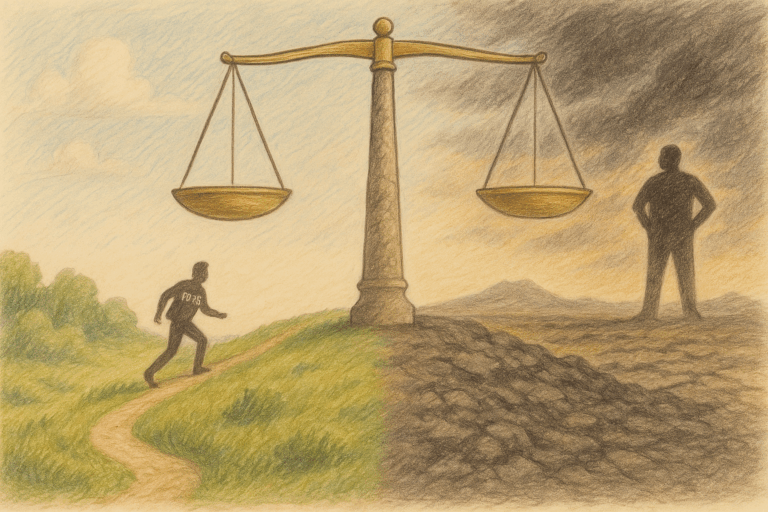
Politics has long influenced the media landscape in Bangladesh. During the Awami League era, pro-government outlets enjoyed privileges, while critical journalists faced lawsuits and harassment. The Digital Security Act was widely used to detain journalists, which created a culture of fear and self-censorship. After the change of government, several propagandist journalists were arrested, but internationally these steps have often been viewed as acts of political revenge.
The core challenge is to ensure accountability for propaganda journalism without making it appear as retaliation. This requires clear laws, transparency, and independent oversight. Global experiences show that instead of frequent criminal penalties, civil remedies, ethical regulation, fines, or corrections are more effective, reserving criminal sanctions only for grave offenses.
Key recommendations include revising or repealing the Digital Security Act and enacting a specific “Disinformation and Media Accountability Act,” establishing an independent tribunal, mandating disclosure of media ownership and funding, strengthening fact-checking and journalist training, and enhancing international cooperation.
Journalists must be held accountable, but not through politically motivated actions. A balanced framework will safeguard both democracy and press freedom in Bangladesh.